$25
Diver air fill
One scuba cylinder fill for an underwater debris sweep.
The Ocean Data Project
Newfoundland & Atlantic Canada · Non-profit
A diver-led citizen-science coalition of local scuba divers, fishers and coastal volunteers. We lift decades of debris and lost fishing gear out of Newfoundland's working harbours, install underwater monitoring, and share the data openly with marine scientists.
What's on the go
Brigus Harbour Clean-up · Sat, November 14, 2026
Needed: divers, shore crew, data recorders, hospitality & fundraising volunteers.
Quick give to Brigus · $1,662 of $2,500 raised
 Powered by DiveBook
Certified volunteer divers bag tires, plastics and ghost gear off the bottom while shore crews haul, sort and dispose of it safely.
Seafloor nodes, subsea cameras and surface skimmers keep harbours cleaner after we leave, with live water data for biologists.
You don't have to dive. Shore support, fundraising, data recording, local businesses and sponsors make every harbour possible.
Daily ocean dispatch · 2026-11-21 · Ghost gear
Abandoned fishing gear can trap fish, seals and seabirds long after it is lost.
→ Join a dive crew to lift ghost gear from harbour floors.
 47.4167° N, 53.2000° WScheduled
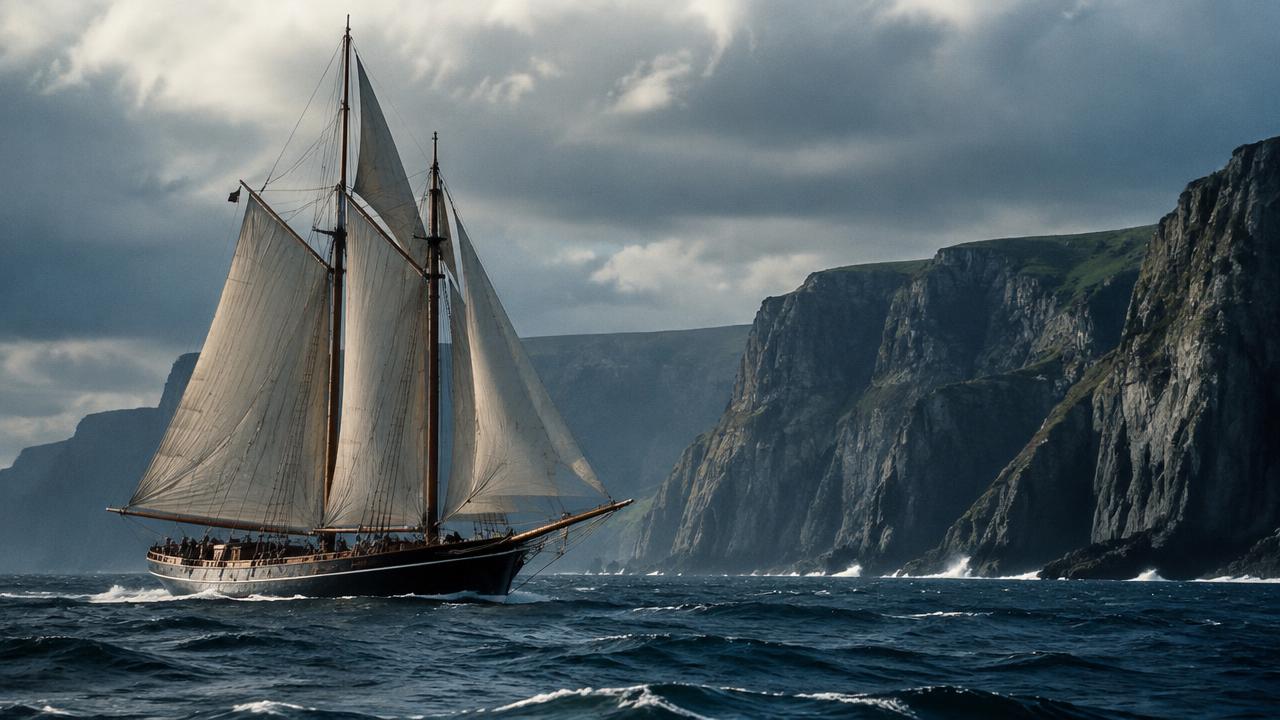
Maritime illustration · Clean-up photos pending
Avondale, Conception Bay, NL
Targeting November 2026
 47.5333° N, 53.2167° WScheduled
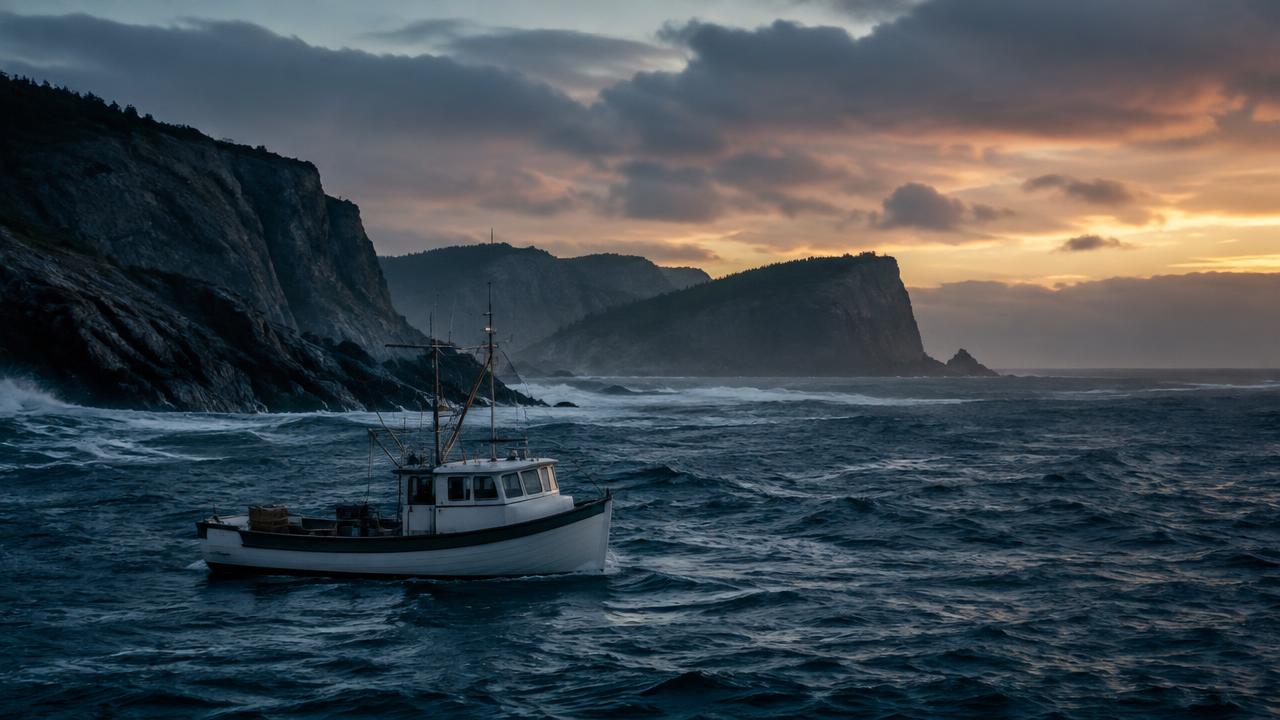
Maritime illustration · Clean-up photos pending
Brigus, Conception Bay, NL
Sat, November 14, 2026
 47.0167° N, 52.8833° WScheduled
Maritime illustration · Clean-up photos pending
Ferryland, Southern Shore, NL
Targeting November 2026
Fund one real thing
$25
One scuba cylinder fill for an underwater debris sweep.
$200
A full year of dive accident cover for one volunteer diver.
$50
Straps and a salvage lift bag to raise ghost gear safely.
$75
Safety boat fuel plus hot food and coffee on the wharf.
$150
Certified lab testing for fuel run-off, metals and microplastics.
Coastal intelligence
Ghost gear observations, green crab reference zones and our harbour clean-ups.
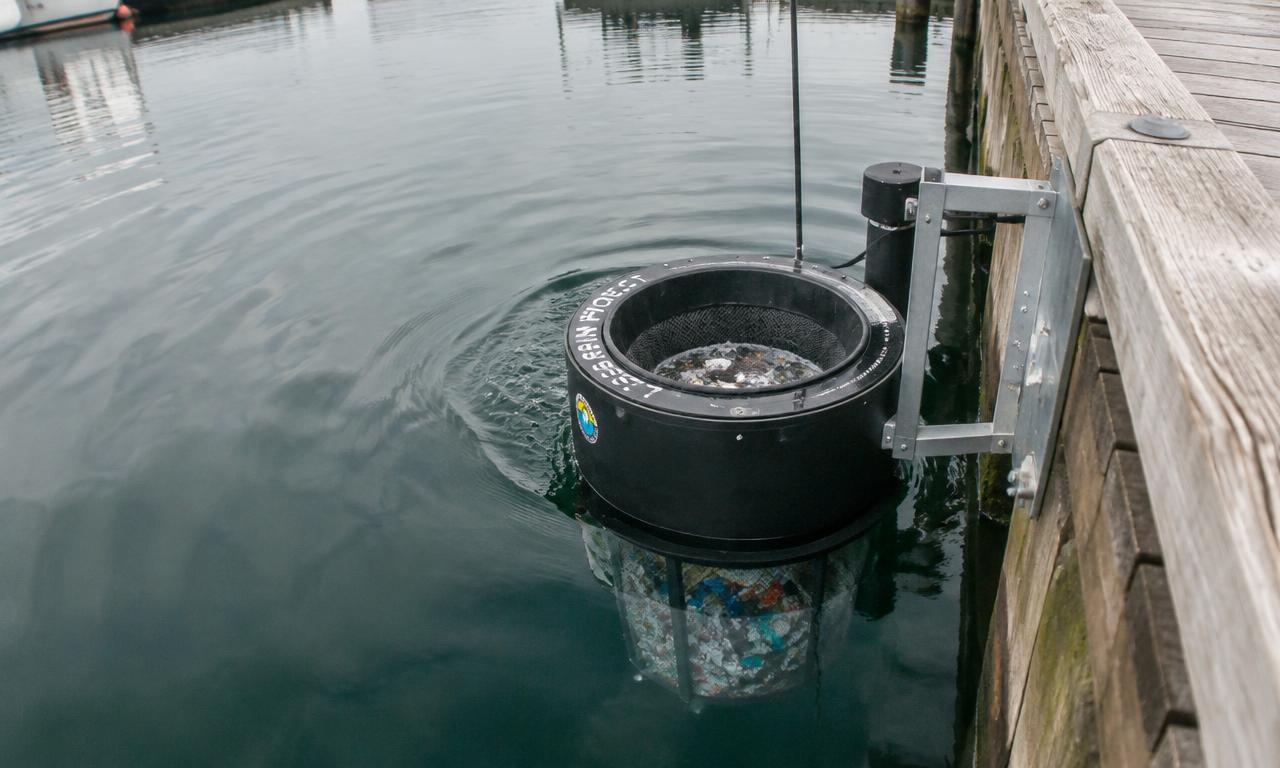 Illustration · not Brigus
The harbour bin
A small pump pulls the surface water into the bin, so floating rubbish flows in with it. A catch bag keeps the rubbish and lets clean water back out.
*Manufacturer estimates for similar units. We'll publish our own catch numbers.
Sponsor a harbour binSubsea camera · coming soon
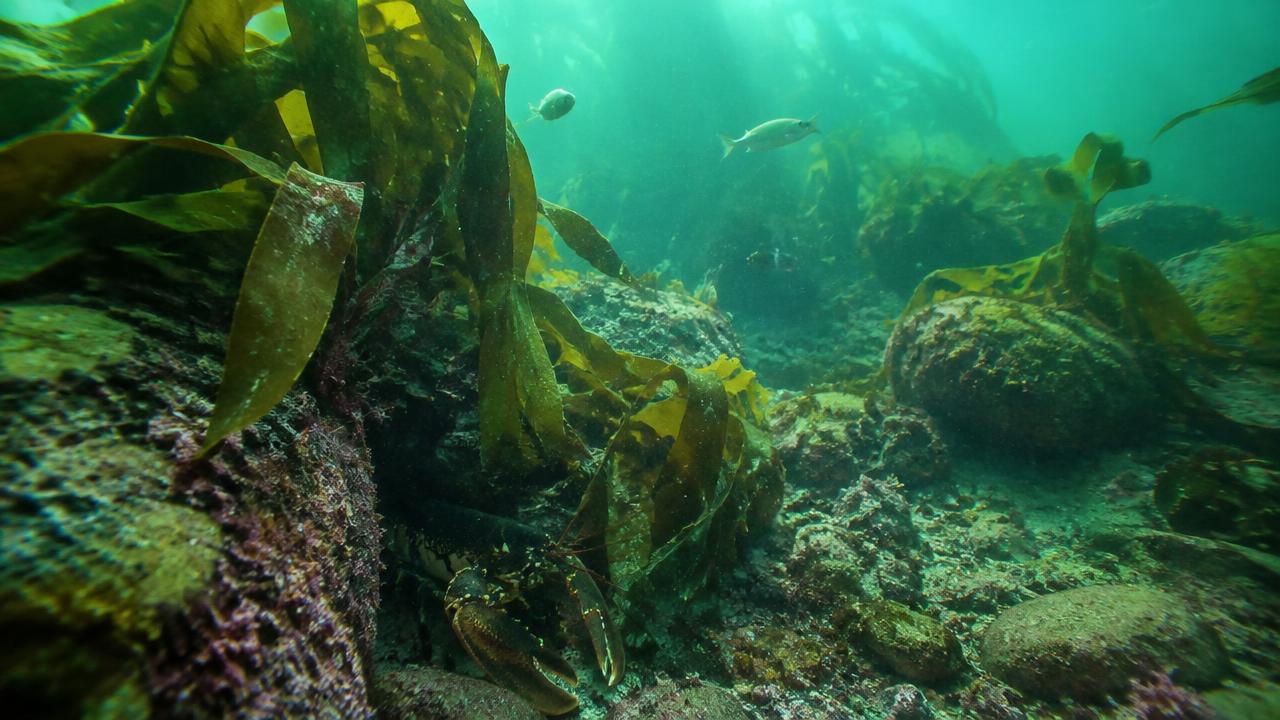 Preview · feed not yet installed
Why we clean
Every Field Day removes debris that has sat on the bottom for decades. Then the equipment stays behind to keep the harbour clean and to measure how it comes back to life.
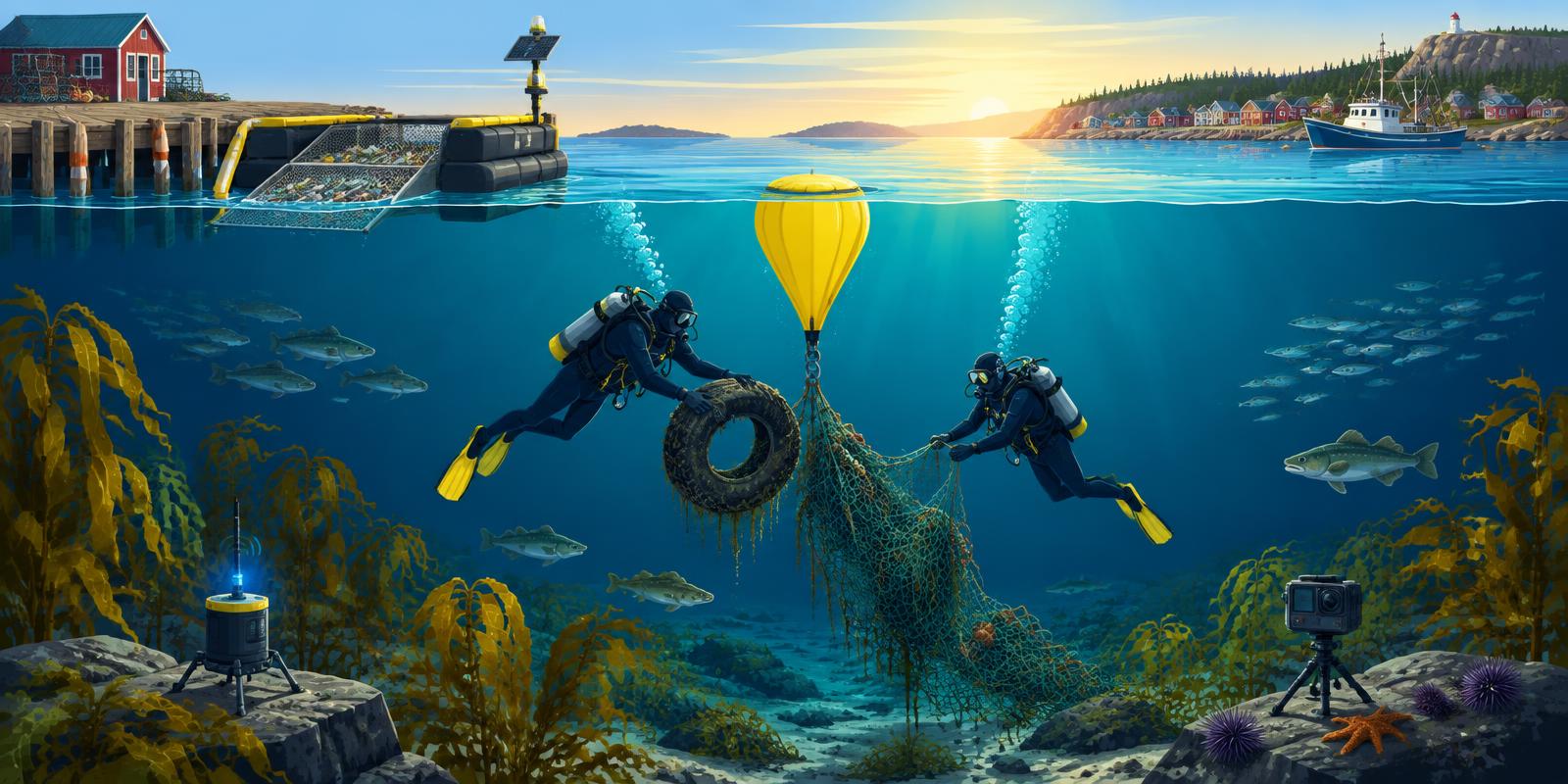
Divers lift tires, ghost nets, batteries and scrap off the harbour floor. Removing them stops toxins leaching, frees habitat and stops lost gear from killing fish and crab.
Sits at the wharf and catches floating plastic, foam and fuel sheen around the clock, so the harbour stays clean between dive days.
Record temperature, salinity and oxygen on the sea floor. That data shows whether the harbour is recovering, and it's shared openly with fishers and researchers.
Film the cleared sea floor over months to document fish, kelp and crab returning. It's the proof that the clean-up worked.
Science-led. Every protocol, sampling method and sensor deployment on this platform is designed in regular consultation with Atlantic Canadian marine biologists.
For divers · Citizen science missions
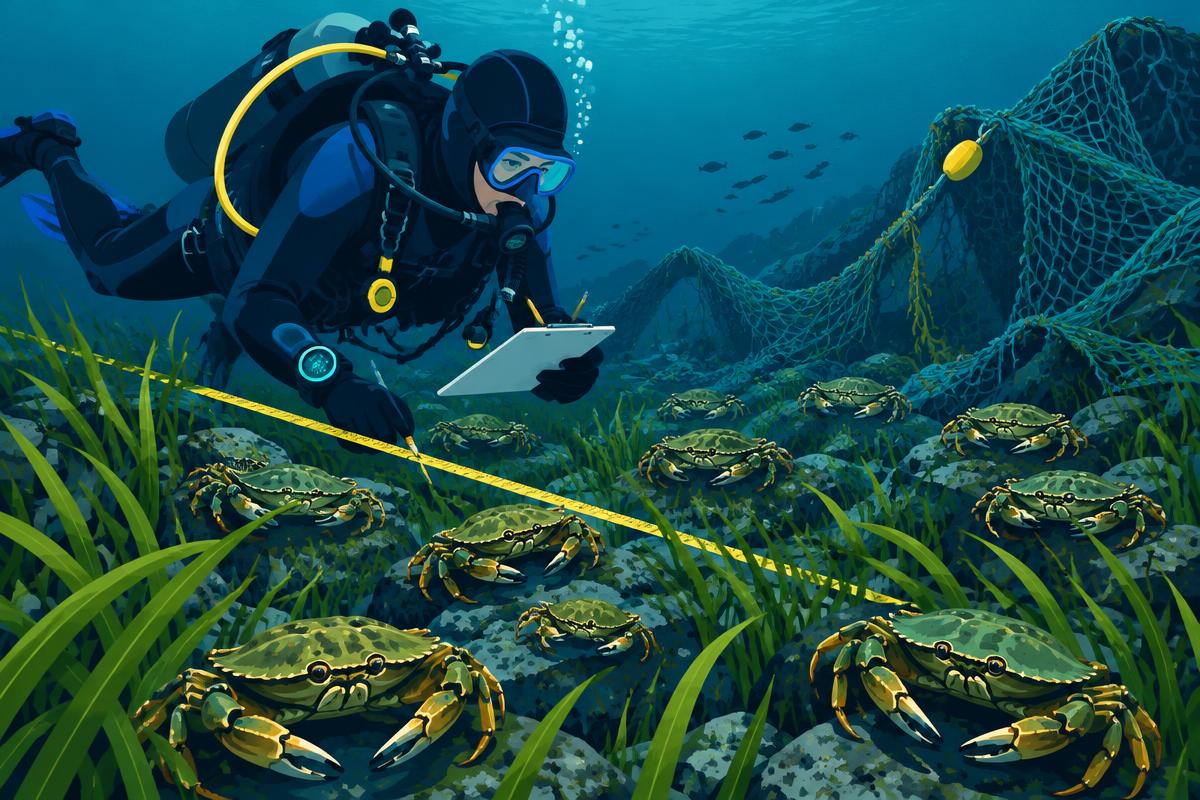
These missions run alongside the clean-ups through DiveBook. Log your dives, report what you see and your data goes straight into the harbour record.
European green crab watch
Count and size invasive green crabs along transects, and flag new sightings so they can be managed before eelgrass is lost.
Invasive species reports
Log tunicates, sea squirts and other invaders with photo, depth and location for regional monitoring.
Ghost gear tagging
Mark lost nets, pots and lines with GPS and depth so recovery crews can plan safe lifts.
Bottom temperature surveys
Upload your dive computer's temperature profile and help map how warming reaches our bays.
Not a diver? You're still needed.
Sign up and tell us what you're good at. We'll find you a role, whether that's on the wharf, behind a table, or raising money in your town.
Shore crew
Haul and sort debris on the wharf. PPE supplied.
Fundraising champion
Run a raffle, a bake sale or bring a local business on board.
Debris data recorder
Weigh, sort and log what comes up for the science report.
Check-in & hospitality
Sign divers in, keep surface watch, keep the coffee hot.
Can't make a date? Leave your email and we'll match you to a role.